Win-Loss Interview Programs That Feed Social Proof Assets
Merge win-loss interviews with testimonial collection to build social proof faster.
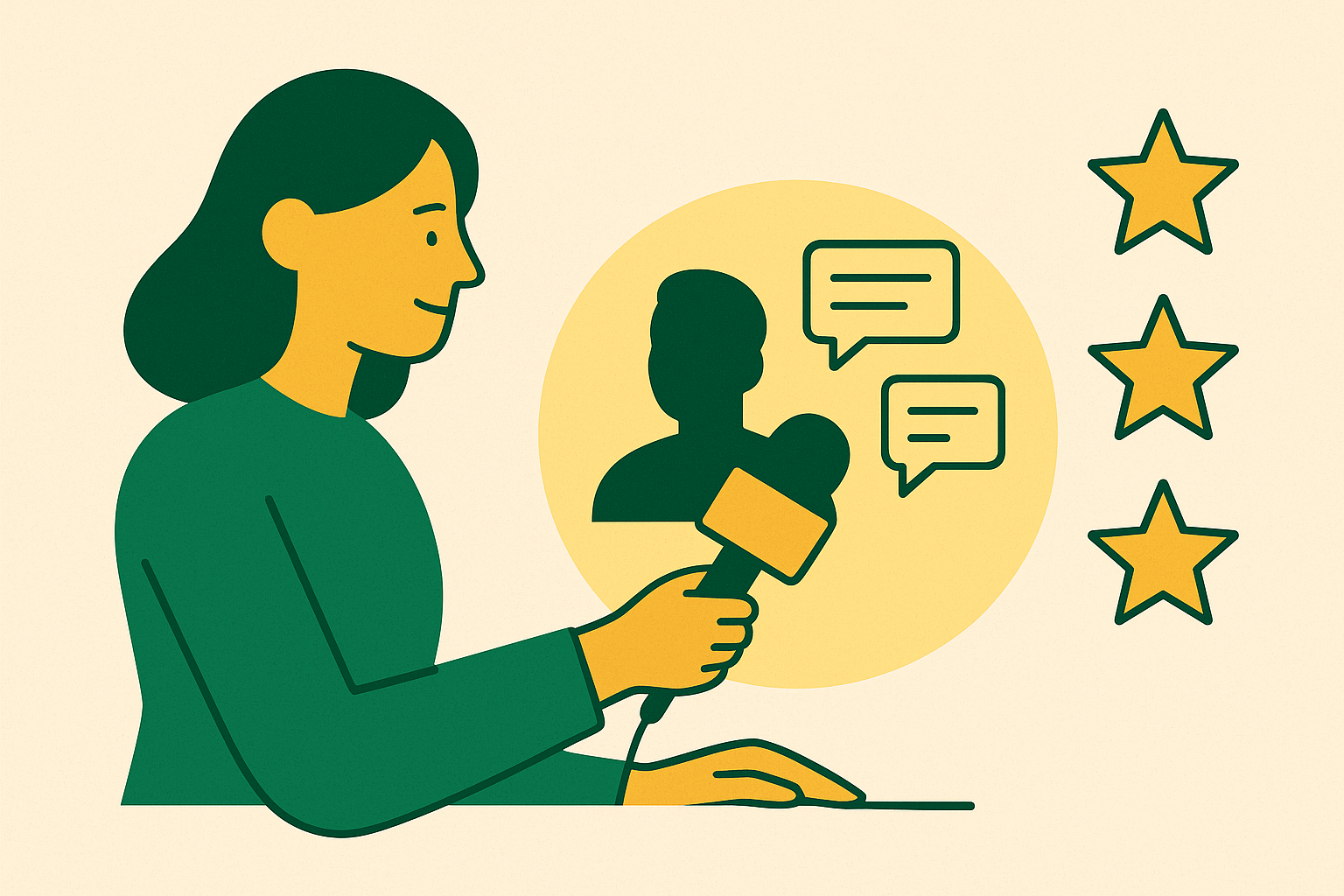
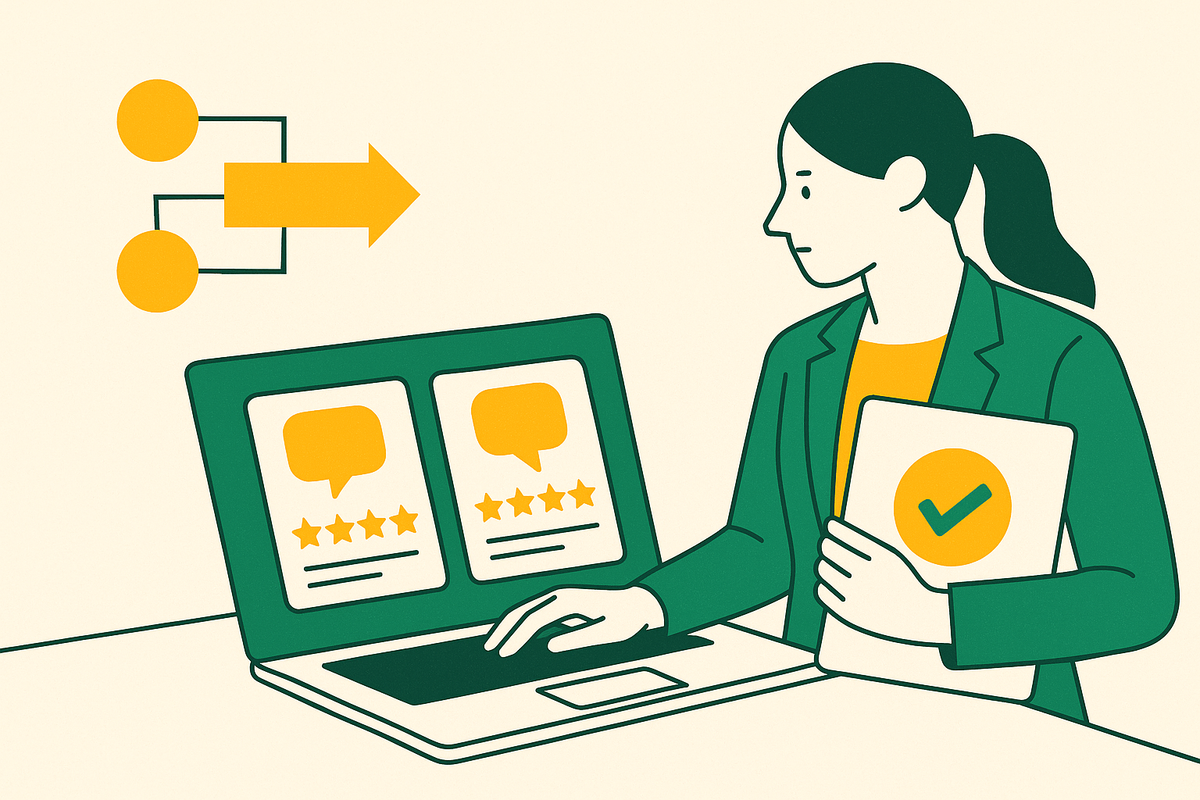
Win-loss interviews and social proof usually live in separate departments, run by separate teams, tracked in separate spreadsheets nobody cross-references. Sales runs win-loss to figure out why deals close or die. Marketing hunts for quotes and case studies somewhere else entirely, usually starting from zero with the same customer, and that split wastes a good interview. The person who just spent forty minutes explaining why they picked you over three competitors is sitting on the best testimonial you'll get all quarter, and somebody's about to email them again next month asking for the same story.
Two Programs, One Conversation
Here's the setup at most companies I've worked with. Win-loss interviews happen after the deal closes or dies, usually run by product marketing, sales ops, or an outside firm brought in because everyone else is too busy. The questions are internal: what almost made us lose, which competitor gave us trouble, did pricing scare anyone off.
Separately, someone in customer marketing is drafting a cold-ish email to a happy customer asking for a quote, or a review, or twenty minutes on a call for a case study. Different outreach, different calendar invite, different spreadsheet tracking it, usually one nobody else on the team has access to.
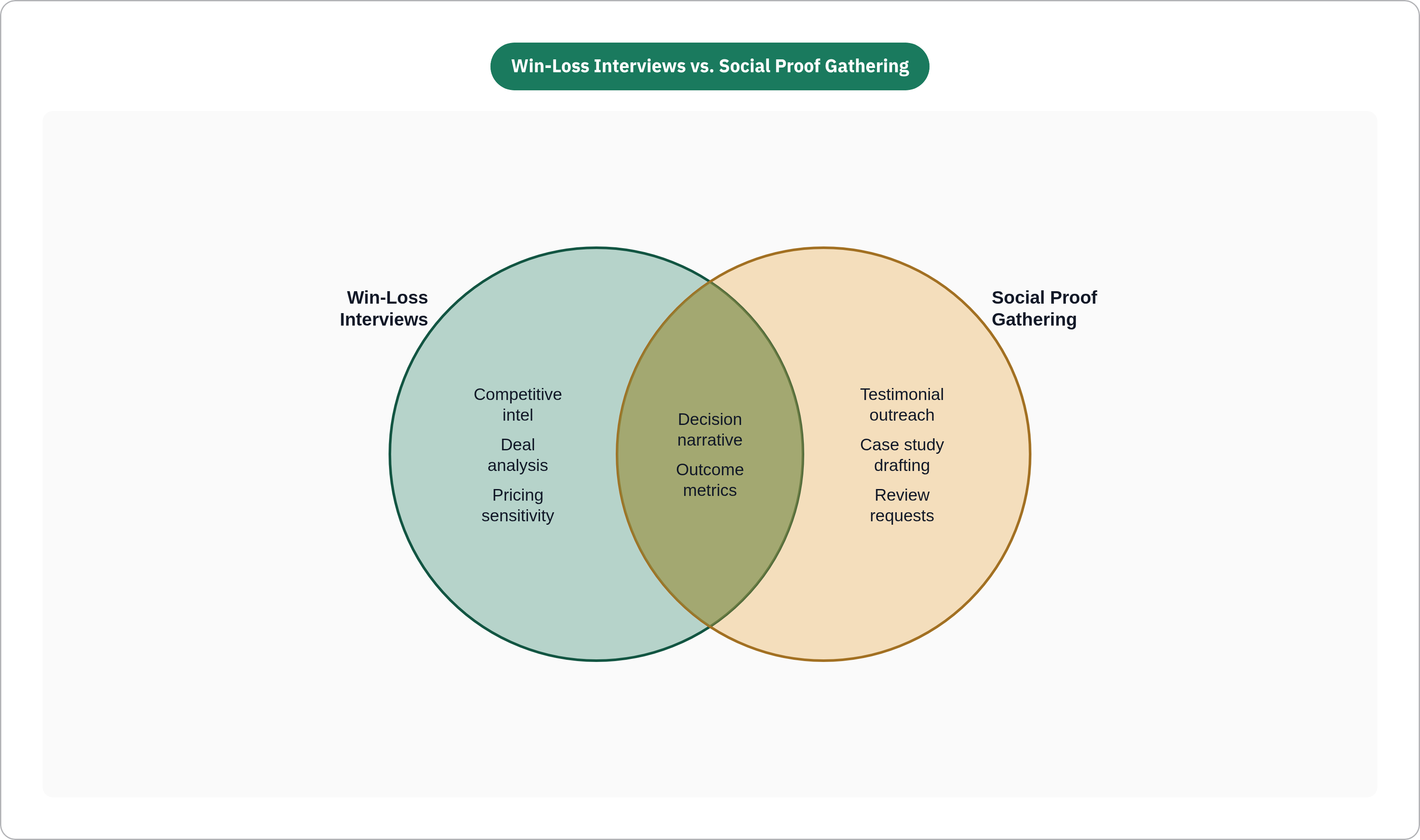
Ask a customer to relive their buying decision twice, in two separate meetings three months apart, and you get one irritated customer and two half-finished datasets. I've watched this happen at three different companies, and the customer always says some version of "didn't we already do this?" They're not wrong. Combine the meetings and you get a sharper win-loss read and better source material, in the same hour you already had booked, and skipping the redundant meeting saves everyone's time.
What a Combined Interview Actually Captures
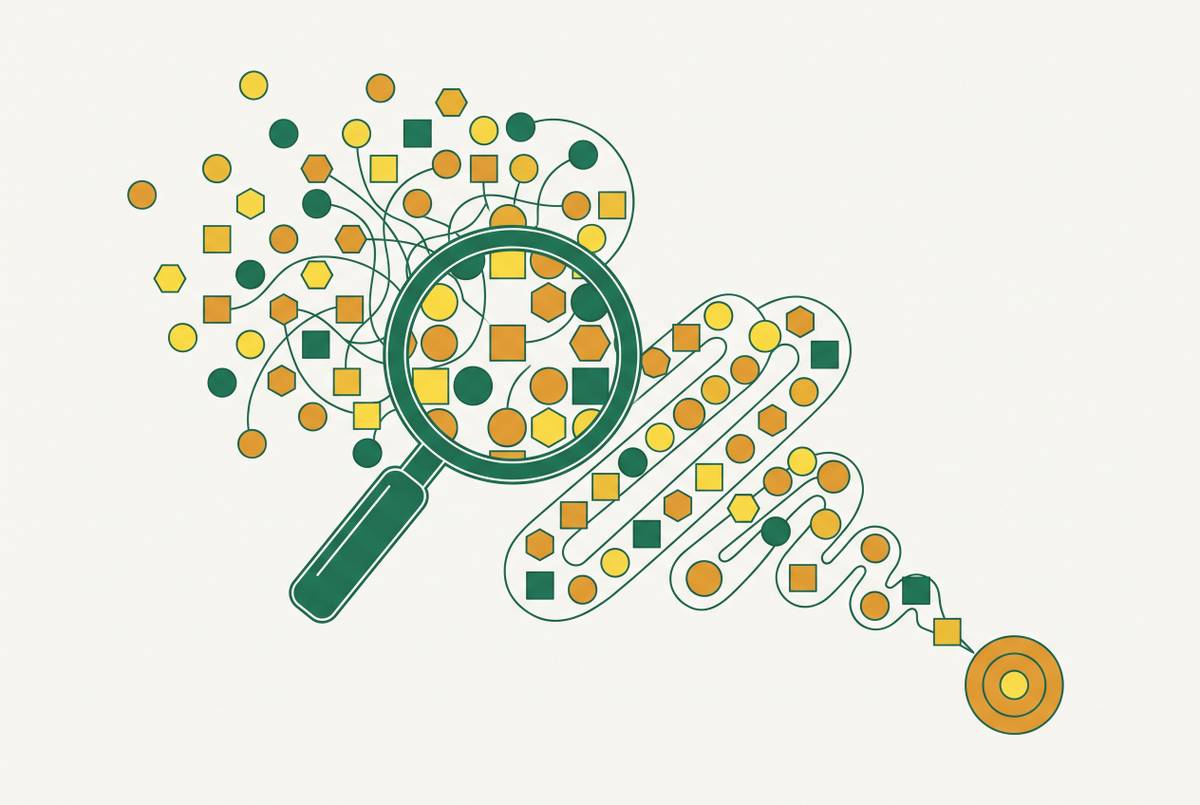
A win-loss interview, done right, already contains the raw material for social proof. Nobody needs a second call to extract it; it's sitting right there in the transcript, usually buried around minute 22 when the customer stops giving you the polite answer and starts telling you the real one. The customer is telling you what alternatives they considered and why those fell short, the moment doubt turned into confidence, what almost derailed the deal and what talked them off the ledge, and the outcome they were chasing.
Strip out the internal-only questions (deal size, discount pressure, whether the rep followed up too many times) and what's left reads like a testimonial script somebody actually wrote well. The customer who says "we picked you because your onboarding took two weeks instead of the two months our old vendor quoted" just wrote you a case study headline. Nobody had to ask twice, and nobody had to workshop that line in a brainstorm with six people on the call.
Why Companies Keep These Separate Anyway
Ownership, mostly, and a healthy dose of nobody wanting to give up their headcount line. Win-loss programs report to sales or product marketing and get treated like competitive intelligence, sometimes locked down tight enough that even the marketing team never sees the raw transcripts. Customer marketing owns testimonials and runs its own outreach, often through a completely different vendor, because somebody signed a contract two years ago and it's still running on autopilot.
Neither team is wrong to guard its turf, exactly. Win-loss data can include sensitive competitive detail, the kind that should never end up in a public case study without a legal review first (imagine a prospect-facing case study that accidentally names the exact discount percentage a competitor offered). The fix keeps the teams as they are: one interview, two output tracks: a confidential debrief for sales and product, and a cleared, quotable set of moments for marketing.
Building the Combined Interview
Structure it in three parts, and resist the urge to make it more complicated than that. It doesn't need a framework with a name.
Start with the decision story. Why did they start looking, what did they compare you against, what tipped the scale? This does double duty: classic win-loss territory, and also the exact narrative arc every case study needs, the one marketing usually has to fake with leading questions.
Then get specific. What changed since they started using the product? Time saved, headcount avoided, a process that used to take a week and now takes an afternoon. Win-loss teams want this to defend the ROI story against the next prospect who raises the same objection, while marketing wants it because "great partner, highly recommend" convinces nobody, and "we cut our reporting time from three days to four hours" convinces everybody.
Close with the recommendation question. Would they recommend it, and to whom? This is also where you ask permission to quote them, on the record, by name.
The Consent Question, Answered Plainly
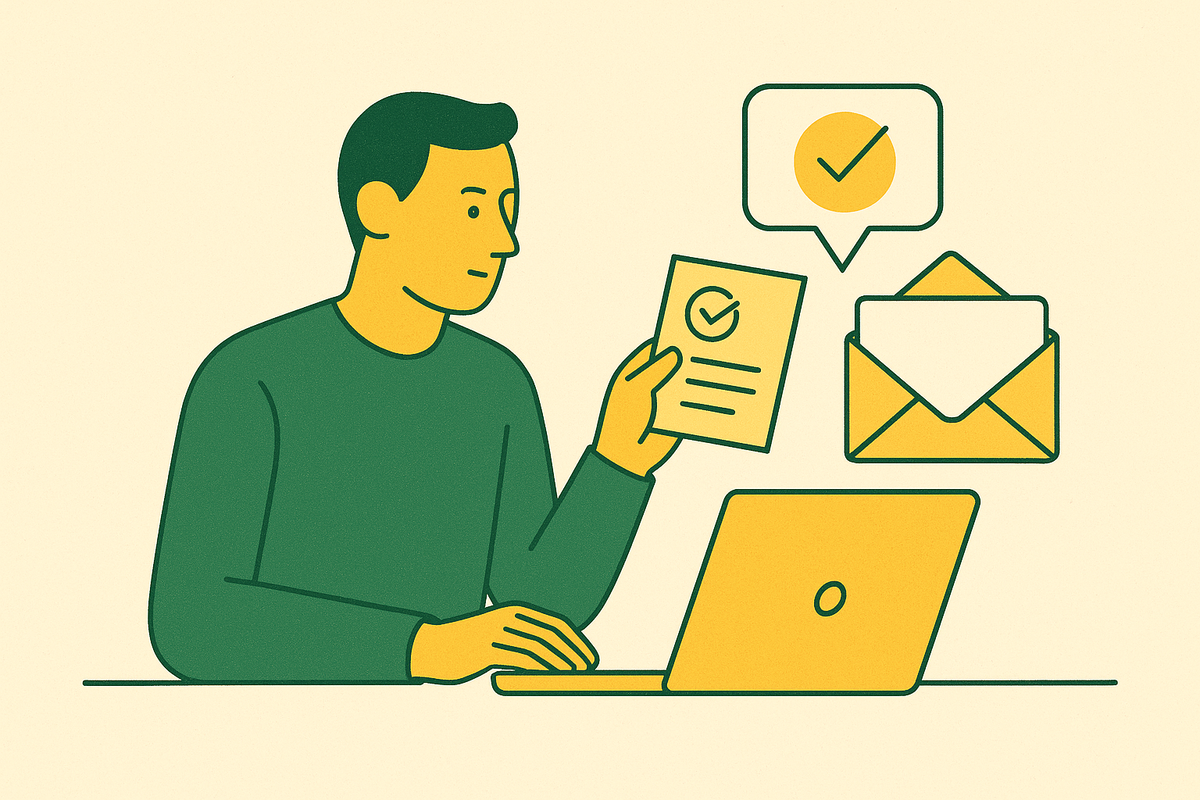
Every customer conversation you plan to quote publicly needs a clear yes, not a shrug or a "sure, whatever." A vague "mind if we share this sometime?" tucked into the meeting invite doesn't count. The ask has to come directly, at the end of the call, as its own moment: can we use your name, your title, your company, and this specific line, in a case study or on our site?
Run win-loss and testimonial gathering as one motion and you still need two separate approvals. One covers internal use of the full transcript, and the other covers public use of the specific lines you want to publish. Skip the second one and you'll learn the hard way that a completed interview still requires legal sign-off before anything lands on the homepage. I've seen a great quote die in review because nobody asked the follow-up question, and by the time someone remembered to ask, the customer's champion had left the company.
What This Buys You
Fewer duplicate interview requests landing on the same customer's calendar is reason enough by itself. Customers notice when you ask twice; they notice more when you don't have to.
The bigger win is speed. Case studies built from a purpose-built interview, where the customer already told their whole story once instead of getting asked to summarize it from memory a second time, get written faster. Verbatim, a managed case study and testimonial service that runs end-to-end social proof engines for B2B SaaS companies, is built specifically around that faster production motion. The writer isn't stitching together fragments from a call that was really about something else, guessing at which quote the customer would actually be fine seeing on a landing page.
Win-loss reports get sharper too, once you're capturing the exact language customers use to describe why they bought instead of paraphrasing it after the fact. Sales reps start borrowing those phrases for their own pitches, usually without realizing where the phrase came from. Fine by me — that's what happens when you ask someone to walk you through their own decision in their own words, and it beats whatever line a copywriter would've invented instead.
One interview guide both teams agree on. One habit of asking for public-quote consent as its own explicit step, out loud, not implied. That's the whole system, and everything after that is just calendar invites.