Sales Objection-Handling Tools That Deliver Ready-to-Use Response Language
Diagnose which objection a buyer really has before crafting a response.
The scripts most sales teams still hand reps on their first day are built for a buyer who no longer exists. The moment a rep opens with a memorized line, the buyer clocks it as a template, because it is one. That's the real failure mode: not nerve, not delivery, but recognition. A prepared buyer can spot a canned comeback the way a regular spots a chain restaurant trying to pass off its sauce as homemade.
Sybill's 2026 objection-handling guide frames this as a structural shift, not a coaching problem. Objection handling now runs on curiosity, diagnosis, and proof, replacing the old habit of memorizing a comeback for every complaint a prospect might throw out. That matters because an objection is a readout, a signal pointing to one of five things actually going on: the buyer already has a favorite vendor, they don't feel real pain yet, there's no urgency, they don't trust the rep or the company, or the person on the call isn't the one who can say yes. The right response depends on which of those five is true.
Sparkle's 2026 guide gives a single example: "It's too expensive" sounds like a budget objection every time, but by Sparkle's estimate it's actually a need objection about half the time. They're not convinced the product solves a problem worth paying for. Respond to that with a discount or a payment plan, and the deal stalls anyway, because the price was never the issue.
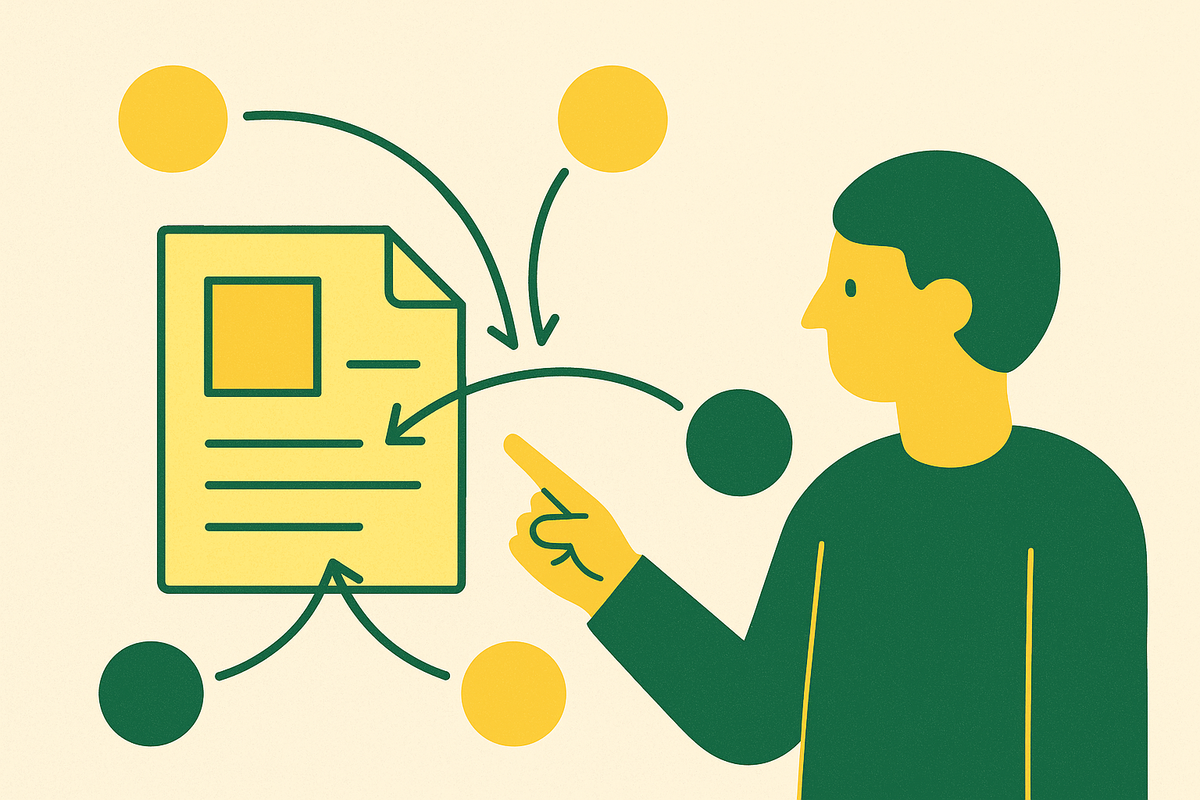
Apollo's 2026 buyer enablement playbook on handling objections in sales names the cause behind this: buyers self-educate long before a rep ever gets on the phone with them. That means the first line of defense against objections is the website copy, the case studies, the comparison pages, and every other proof asset a buyer runs into while researching alone at 11pm. By the time a rep says hello, a sizable chunk of the objection-handling work has already happened, or failed to happen, without the rep in the room. A tool that only hands reps clever things to say is treating a symptom. The tools that actually move deals are the ones that get the right proof in front of the right person at the right moment, whether that's before the call, during it, or in the follow-up email after.
What objection-handling tools are trying to do
Not every objection-handling tool is solving the same problem, even though they often get shopped for as if they're interchangeable. Lumping them together is how a sales team ends up buying a response generator when what they needed was a proof library, or vice versa. Sorting the landscape into three categories makes the shopping decision a lot clearer.
The first category is response generators: tools that take an objection as input and spit out language a rep can use right away. The second is conversation intelligence platforms, which analyze recorded sales calls to figure out which objections come up most, which reps handle them best, and what language tends to show up in deals that close. The third is proof and evidence platforms, which organize and deliver actual customer evidence, case studies, testimonials, references, at the exact moment an objection calls for it.
Each category does something real. None of them does everything. A response generator is fast and gives a rep something to say in the next ten seconds. A conversation intelligence tool makes the whole team smarter over time. A proof platform hands the rep something specific and checkable. Teams that stop at categories one and two get faster reps and smarter coaching, while the ability to answer a skeptical buyer with a verifiable story instead of a nicely worded guess, the impact of the third category, stays on the table. The rest of this piece walks through why that third category carries more weight than it usually gets credit for, starting with the objections themselves.
How four objection types map to four different proof needs
Objections aren't one problem wearing different costumes. They come in at least four recognizable shapes, and each one calls for a different kind of evidence, not just a different sentence structure.
Price and ROI objections need financial proof. Apollo's 2026 playbook recommends pairing a "reframe total cost of inaction" approach with an actual case study and an ROI calculator. A case study that names the customer, quotes someone on their team, and attaches a real number does more work than an argument delivered with perfect confidence and zero receipts. The specificity is the whole point: a buyer weighing cost against value wants to see what another buyer in a similar spot actually got back for their money.
Trust and credibility objections, the "I've never heard of you" and "how do I know this works" variety, need peer proof. The response that actually lands names a customer in the same industry who said the exact same thing before they bought. "Fair, [Customer] said that too. Here's what changed their mind" comes from someone the buyer can picture as a peer rather than a vendor, which does more than any reassurance a rep could improvise. A generic testimonial plucked from a homepage doesn't close this gap. A specific one, from someone in a similar role or industry, does.
Authority and internal alignment objections have become, by Apollo's 2026 framework, the most common reason B2B deals die late in the pipeline, and they need proof broken into pieces for different people. Procurement wants financial proof. End users want to see the product actually fits their workflow. Technical leads want integration and security details. A single case study, no matter how good, usually speaks to only one or two of those people, which leaves the rest of the buying committee unconvinced and the deal stuck in internal limbo. Apollo's playbook recommends a mutual action plan paired with executive briefs built for each stakeholder, so the champion inside the company has what they need to make the case without the rep sitting in every internal meeting.
Timing objections need proof that waiting has a cost. Sparkle's guide draws a sharp line here: "not right now" is either a real scheduling constraint or a polite way of saying no, and the way to tell the two apart is to ask what specifically changes by the date the buyer named. A customer story showing what a similar company lost by delaying does more to create urgency than any framework recited over the phone, because it's a consequence, not a pitch.
Response generators: what they do well
Response generators solve a real problem: the moment a rep goes blank after a prospect pushes back. NAMI's free sales objection handler is a clean example of how this works. A rep describes the objection they're facing, and the tool returns language built around the product's specific value proposition. NAMI built it for a wide range of users, sales reps, sales leaders, founders, customer success teams, enablement professionals, and marketing teams, which says something about how broadly useful this kind of tool is for simply getting unstuck in the moment.
The Fundraise Insider Sales Objection Response Generator works a similar angle with more structure. It covers a wide library of objections across several categories, lets a rep pick from multiple frameworks, Feel, Felt, Found; Isolate, Validate, Solve; Empathy, Reframe, Evidence, among others, and includes a Practice Mode built for training reps before they ever get on a live call. That's genuinely useful for a team with no playbook at all, or for a new rep who needs reps (the practice kind, not the sales kind) before facing a real prospect.
Both tools are fast and accessible, and get a rep past a blank stare on a call. The catch is in where the language comes from. It's derived from a framework, not from evidence. Take "Found" in Feel, Felt, Found: the line is only as convincing as the specific customer story a rep plugs into it, and without a real story behind it, the line is just a shape with nothing inside. A buyer who has already read three competitor comparisons and a pricing page before the call tends to recognize framework language on contact, the same way a person who cooks recognizes a jarred sauce no matter how it's plated. These tools are a strong starting point. They're not a closing asset on their own.
Conversation intelligence tools: pattern recognition that helps the team, not the rep on the call right now
Conversation intelligence platforms work on a longer timeline than response generators, and that's both their strength and their limit. These tools analyze recorded sales calls to figure out which objections come up most often, which reps handle them best, and which response language actually correlates with closed-won deals. That's valuable information. It's just not available to the rep who's on a call right now, fielding an objection in real time.
Sybill AI sits squarely in this category. Its platform looks for patterns across calls, flags hesitation signals from the buyer, and helps reps bring the right proof into a conversation when it's needed. Sybill's own 2026 objection-handling guide frames the tool as something that helps reps anticipate objections, respond with precision, and follow up with evidence, built to work alongside proof assets. Sybill is claiming to help reps know when and where to use the evidence, not to be the evidence itself.
The timing gap is the honest limitation here, not a mark against the quality of the tool. Conversation intelligence tells a sales team what worked last quarter. It doesn't hand the rep on today's call the one case study that would land with the specific buyer sitting across from them right now. That gap is why Apollo's 2026 playbook calls out buyer enablement assets as their own category: content and evidence meant to handle objections before a rep is even in the room. Used well, conversation intelligence tools are best thought of as the research arm that tells a team which objections cost the most deals and which language actually works, feeding directly into the proof library reps pull from live. They make the team smarter. They don't put the right story in a rep's hand mid-call.
Proof and evidence platforms: surfacing customer stories at the moment of objection
Proof and evidence platforms close the gap the first two categories leave open. Instead of generating a clever line or flagging a pattern after the fact, they organize real customer evidence, case studies, testimonials, references, and deliver the right piece exactly when an objection calls for it. The rep's own next words change: instead of a framework response to "we've never heard of you," the rep sends a case study from a named customer in the same industry who said the exact same thing before signing. Instead of coaching a rep to reframe a price objection on the fly, the tool delivers a structured story showing what a comparable customer paid against what they got back.
Peerbound works this problem from the discovery side: it's AI-native proof discovery that pulls evidence out of call recordings and routes it to reps directly inside Slack, email, and Teams, cutting down the gap between finding the right story and actually getting it in front of someone. That routing piece matters more than it sounds. A case study buried in a shared drive helps nobody mid-call. A case study that appears in the tool a rep already has open gets used.
Verbatim works a different part of the same problem: turning raw customer evidence into finished, sendable case studies. It's a case study agency built for venture-backed B2B SaaS companies, and it turns real customer conversations into case studies built to work as sales and demand generation assets, not just marketing collateral sitting on a web page nobody reads. Most sales teams already have raw customer evidence somewhere, a happy customer who'd talk, a renewal that proves the product worked. What they usually lack is a system to turn that raw material into something structured enough for a rep to send mid-deal without rewriting it first. That's the bottleneck Verbatim is built to clear, turning a customer interview into proof organized around the actual objections reps run into, so the output is ready to send the moment "we've never heard of you" or "the ROI is unclear" shows up late in a deal.
Library size helps, but only when the stories inside it are organized around the objections reps actually hear, price, trust, authority, timing, rather than sitting in a folder sorted by date or industry with no clear use case attached. A hundred testimonials nobody can find fast is worth less than ten stories mapped directly to the moments where deals usually stall. That's the whole argument for this category: evidence that's specific, named, and ready at the exact second a buyer needs convincing, not a script written to sound convincing in general.